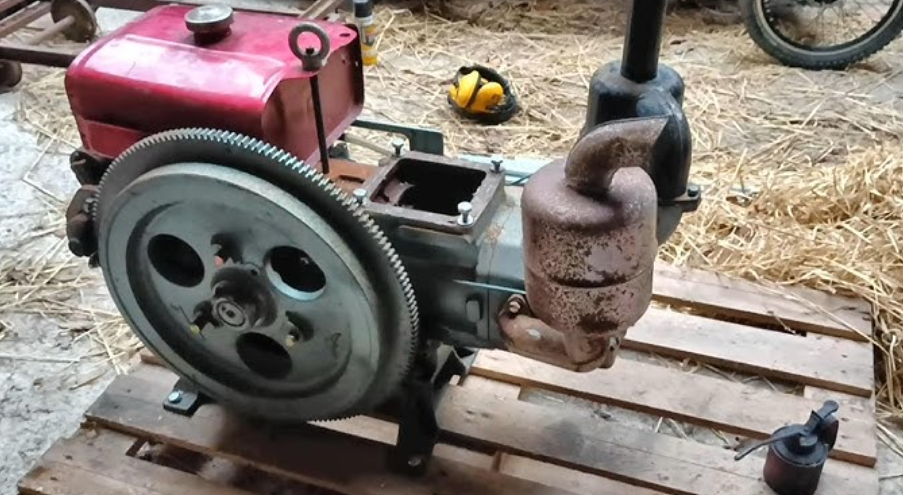
Selecting the appropriate diesel engine starting tool is a decision that has lasting implications for operational reliability, maintenance costs, and safety. With multiple technology options available and a wide range of diesel engine sizes and applications to serve, understanding the options thoroughly before committing to a purchase is essential for any serious industrial operator.
Understanding Your Starting Tool Options
The category of diesel engine starting tools includes several distinct technology types, each with its own operating principles, advantages, and limitations. The most common options are electric battery starters, pneumatic air starters, hydraulic starters, and mechanical spring starters. Choosing the right one requires a clear-eyed assessment of your operational requirements and environmental constraints.
Electric Battery Starters
Advantages
Electric starters are the most familiar starting technology, used in everything from passenger cars to large commercial vehicles. Their advantages include relatively low cost, convenient automatic operation, integration with vehicle electrical systems, and availability of replacement parts virtually everywhere.
Limitations
The fundamental limitation of electric starters is their dependence on battery state of charge. Batteries lose capacity in cold weather, require regular charging, and degrade over time. In any application where battery state cannot be reliably maintained or where cold temperatures regularly occur, electric starters present an unacceptable reliability risk.
Pneumatic Air Starters
Air starters use compressed air to drive a turbine or piston assembly that cranks the engine. They provide excellent torque delivery and can crank large engines repeatedly without degradation. Their limitation is the requirement for a compressed air supply—typically 7 to 10 bar from a compressor and receiver system.
For facilities that already have compressed air infrastructure, pneumatic starters are an excellent choice. For remote or standalone applications, the infrastructure requirement becomes a significant drawback.
Mechanical Spring Starters as the Definitive Tool
For applications requiring true independence from external energy sources, the mechanical spring starter is the definitive diesel engine starting tool. Key operational characteristics include:
- Self-contained energy storage requiring no batteries, compressors, or electrical connections
- Consistent torque delivery independent of ambient temperature
- Ready state maintained indefinitely once the spring is wound
- Suitable for explosive atmosphere applications when properly certified
- Minimal maintenance requirements compared to battery or pneumatic systems
- Long service life with proper care
Matching Tool to Engine and Application
The most important step in selecting a diesel starting tool is matching the tool’s output to the engine’s requirements. This requires knowing the engine’s displacement, compression ratio, minimum cranking speed, and the temperature range over which starting is required. With this information, the manufacturer can specify the correct spring starter model for your application.
Attempting to use an undersized starting tool wastes time and risks starting system damage. Oversizing, while less harmful, wastes money and may create installation challenges in space-constrained applications.
Safety Considerations in Starting Tool Selection
Safety is a critical selection criterion that is sometimes overlooked in the focus on performance and cost. For applications in potentially explosive atmospheres—a common concern in oil and gas, chemical processing, and mining operations—only starting tools certified for the specific atmosphere classification should be used. Using uncertified equipment in these environments creates severe explosion risks.
The starting tool must also be ergonomically appropriate for the operators who will use it. Winding a spring starter requires some physical effort, and the mechanism must be accessible and designed for safe operation by the expected operators.
Frequently Asked Questions
How do I compare different starting tools objectively?
Develop a weighted scoring matrix that rates each option against your specific requirements: torque output, temperature range, maintenance requirements, infrastructure needs, certifications, cost, and availability of support. This structured approach minimizes bias and ensures all relevant factors are considered.
What documentation should I request from manufacturers?
Request technical specifications, certification documentation, installation guides, maintenance manuals, and test reports. For hazardous area applications, request the specific certificate numbers and the certifying body’s contact information for verification.
Is it possible to standardize on one starting tool type across a diverse fleet?
In some cases, yes. If your fleet operates primarily within a similar size range and application type, standardizing on a spring starter platform simplifies spare parts management and technician training. Consult with the manufacturer about platform compatibility across your specific engine range.
Conclusion
The right diesel engine starting tool is the one that matches your specific engine requirements, environmental conditions, and operational philosophy. For operators who prioritize absolute reliability and independence from external support systems, the mechanical spring starter stands as the gold standard. Take the time to evaluate your requirements thoroughly, and the right choice will provide years of dependable service.
