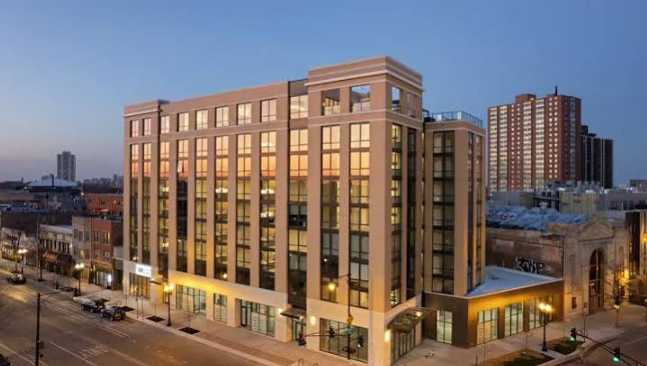
Proper lighting is an essential part of maintaining safe, comfortable, and functional apartment buildings. From entrances and hallways to parking areas and shared facilities, residential properties require dependable illumination to support everyday activities. Poorly maintained lighting can reduce visibility, create inconvenience for residents, and make common areas more difficult to navigate.
For Chicago property managers and apartment building owners, lighting improvements can help address aging fixtures, inefficient equipment, and inadequate illumination. Understanding modern lighting technologies, electrical safety requirements, and preventive maintenance practices can help maintain reliable lighting throughout multi-family residential properties.
Why Proper Lighting Matters in Apartment Buildings
Apartment buildings contain several shared areas that require consistent illumination.
Residents, visitors, maintenance employees, and delivery personnel rely on properly positioned lighting to move through these spaces comfortably.
A well-designed lighting system offers several important advantages:
- Improves visibility in shared residential areas.
- Supports safer movement through staircases and corridors.
- Enhances building entrances and exterior appearance.
- Helps residents identify walkways and parking spaces.
- Supports routine building maintenance.
- May reduce electricity consumption through efficient lighting equipment.
- Makes common areas more convenient and accessible.
Professional lighting assessments help property managers identify areas requiring improvements.
Understanding Different Types of Apartment Building Lighting
Multi-family properties use different lighting systems according to their layouts and operational needs.
Common Area Lighting
Common area lighting provides general illumination in lobbies, hallways, waiting areas, and shared rooms.
Ceiling-mounted fixtures, recessed lighting, and wall-mounted equipment are frequently used.
Staircase Lighting
Staircases require suitable illumination to help residents identify steps, landings, and changes in floor levels.
Proper fixture placement can reduce shadows and improve visibility.
Exterior Building Lighting
Outdoor fixtures illuminate entrances, building walls, walkways, and other exterior spaces.
Their design should consider visibility, glare, environmental exposure, and neighboring properties.
Parking Area Lighting
Parking garages and outdoor parking areas require appropriate illumination for vehicles and pedestrians.
Suitable lighting arrangements can improve visibility around entrances, parking spaces, and circulation routes.
Emergency Lighting
Emergency lighting supports visibility along designated exit routes when normal lighting becomes unavailable.
Installation and maintenance must comply with applicable building and life safety requirements.
Common Lighting Problems in Chicago Apartment Buildings
Apartment properties may experience lighting difficulties because of aging equipment, unsuitable fixture placement, and environmental exposure.
Frequently Failing Light Fixtures
Repeated fixture failures may result from defective components, overheating, unsuitable equipment, or electrical connection problems.
Flickering Hallway Lights
Persistent flickering may indicate defective drivers, incompatible controls, loose wiring connections, or other electrical faults.
Insufficient Staircase Illumination
Poorly positioned fixtures can create shadows that make stairs difficult to see.
Aging Lighting Systems
Older lighting equipment may consume more electricity than modern alternatives providing similar illumination.
Damaged Outdoor Fixtures
Rain, snow, temperature changes, and physical impacts can damage exterior lighting equipment.
Inadequate Emergency Lighting
Defective emergency fixtures may reduce visibility along required escape routes during certain power interruptions.
These concerns should receive professional evaluation when necessary.
When Should Property Managers Consider Professional Lighting Improvements?
Apartment building managers should evaluate existing lighting systems when renovating shared areas, replacing outdated fixtures, addressing repeated failures, or improving exterior visibility.
Professional lighting services Chicago can help property owners assess existing installations, identify electrical concerns, and develop suitable lighting arrangements for different areas of a residential building.
Qualified electricians can determine whether the property requires individual fixture repairs, additional circuits, updated lighting controls, or more extensive improvements.
Not every lighting problem requires replacing the entire system. Targeted repairs or compatible equipment upgrades may resolve certain issues.
Lighting Considerations for Apartment Building Entrances
Building entrances create the first impression for residents and visitors.
Main Entrance Illumination
Entrance lighting should provide suitable visibility around doors, access controls, and walking surfaces.
Lobby Lighting
Lobby areas benefit from balanced illumination that supports comfortable movement and building appearance.
Intercom and Access Control Areas
Properly positioned fixtures help residents and visitors identify communication equipment and entry controls.
Covered Entrance Areas
Fixtures installed beneath entrance canopies should be suitable for the surrounding environmental conditions.
Decorative Exterior Lighting
Architectural lighting can highlight selected building features while maintaining appropriate brightness and glare control.
Improving Hallway and Staircase Lighting
Hallways and staircases are important circulation areas in apartment buildings.
Consistent Hallway Illumination
Lighting should provide appropriate visibility along corridors without creating distracting bright spots.
Stairway Visibility
Fixtures should illuminate steps and landings so occupants can identify changes in elevation.
Suitable Fixture Placement
Careful positioning helps reduce shadows and maintain balanced light distribution.
Reliable Lighting Controls
Shared circulation areas may require lighting arrangements that remain available according to applicable building requirements.
Maintenance Accessibility
Fixtures should be positioned so qualified personnel can safely perform necessary repairs and replacements.
How LED Lighting Can Benefit Apartment Buildings
LED lighting is widely used in residential and commercial properties because of its efficiency and flexible design.
Lower Electricity Consumption
LED fixtures generally use less electricity than traditional incandescent lighting products delivering comparable illumination.
Actual savings depend on the equipment replaced and operating conditions.
Longer Operating Life
Many LED products are designed for extended use.
Their actual lifespan depends on product quality, installation conditions, and operating temperature.
Reduced Maintenance Frequency
Longer-lasting fixtures may reduce the frequency of lamp replacement in shared building areas.
Flexible Fixture Options
LED technology is available in ceiling lights, wall fixtures, outdoor luminaires, and other configurations.
Compatible Lighting Controls
Certain LED installations can support scheduling, dimming, and occupancy-based control.
These features should be selected according to building requirements and equipment compatibility.
Important Factors Before Apartment Lighting Installation
Careful planning helps ensure that lighting improvements are suitable for the property.
Building Layout
The number of floors, corridors, entrances, and shared areas influences lighting design.
Existing Electrical Infrastructure
Wiring conditions, circuit capacity, and protective devices should be evaluated before major modifications.
Fixture Brightness
Lighting levels should reflect the intended activities and applicable building requirements.
Environmental Conditions
Outdoor and moisture-exposed areas require fixtures suitable for their installation environments.
Energy Efficiency
Property managers should compare equipment efficiency, operating hours, and expected maintenance requirements.
Tenant Disruption
Lighting improvements should be scheduled to minimize unnecessary inconvenience and preserve required illumination.
Local Electrical Requirements
Electrical work in Chicago may require permits and inspections depending on the project.
Qualified professionals can help ensure compliance with applicable requirements.
How Professional Electricians Support Apartment Lighting Projects
Professional electrical services help property managers maintain reliable building illumination.
Initial Lighting Inspection
An electrician examines existing fixtures, wiring connections, protective devices, and lighting controls.
Identifying Electrical Problems
Professional troubleshooting can reveal defective components, damaged wiring, and unsuitable connections.
Lighting Design Coordination
Fixture placement and lighting arrangements are planned according to building layouts and functional requirements.
Equipment Compatibility Review
Fixtures, drivers, controls, and wiring must be suitable for the installation.
Safe Electrical Installation
Qualified electricians complete necessary modifications using appropriate safety procedures.
Testing and Verification
Completed installations should be inspected and tested to confirm proper operation.
The Importance of Emergency Lighting in Multi-Family Properties
Emergency illumination is an important consideration in apartment buildings.
Supporting Building Evacuation
Required emergency lighting helps occupants identify designated exit routes during certain power failures.
Illuminating Staircases
Emergency fixtures may be necessary in stairways and other designated escape routes.
Corridor Visibility
Required emergency illumination helps occupants navigate exit access areas.
Backup Power Equipment
Emergency lighting systems may use batteries or other approved power sources.
Periodic Testing
Required systems should be tested and maintained according to applicable regulations.
Professional Compliance Evaluation
Qualified professionals can assess whether existing emergency lighting arrangements meet relevant building requirements.
Smart Lighting Controls for Apartment Buildings
Modern lighting controls can improve convenience and help manage electricity consumption.
Occupancy Sensors
Occupancy sensors can control suitable lighting in selected utility rooms and shared facilities.
Daylight Sensors
Compatible controls can adjust artificial lighting according to available natural light.
Programmable Scheduling
Lighting schedules may be useful for selected exterior and decorative fixtures.
Centralized Lighting Management
Certain systems allow property managers to monitor and control multiple lighting zones.
Dimming Controls
Compatible dimming technology provides adjustable brightness in appropriate spaces.
Controls must not compromise illumination required by applicable safety regulations.
Outdoor Lighting Considerations for Chicago Properties
Chicago’s seasonal weather conditions make appropriate exterior fixture selection important.
Rain and Snow Exposure
Outdoor lighting fixtures should have environmental ratings suitable for their installation locations.
Temperature Changes
Lighting components must be appropriate for expected operating temperatures.
Walkway Illumination
Proper lighting helps residents identify paths and potential obstacles.
Parking Lot Visibility
Suitable fixture positioning provides illumination around parking areas and vehicle routes.
Glare Control
Outdoor lighting should be positioned to reduce unnecessary glare toward neighboring properties and residential windows.
Fixture Maintenance
Weather-exposed components should be inspected for corrosion, physical damage, and moisture intrusion.
Common Lighting Installation Mistakes to Avoid
Poor lighting practices can reduce reliability and create safety concerns.
Choosing Incompatible Fixtures
Lighting equipment must be compatible with the electrical supply and installation environment.
Ignoring Circuit Capacity
Additional lighting loads should be evaluated before installation.
Poor Fixture Placement
Improper positioning may create excessive glare or insufficient illumination.
Neglecting Emergency Lighting Requirements
Required emergency fixtures should not be removed or modified without appropriate professional evaluation.
Using Unsuitable Outdoor Equipment
Fixtures exposed to moisture and weather must have appropriate ratings.
Attempting Unqualified Electrical Repairs
Electrical circuits may remain energized even when certain switches are turned off.
Internal wiring modifications should be performed by qualified professionals.
Preventive Maintenance Tips for Apartment Lighting Systems
Regular maintenance supports dependable lighting throughout residential buildings.
Inspect Common Area Fixtures
Damaged covers, loose components, and defective lighting equipment should be repaired appropriately.
Clean Lighting Equipment
Dust and debris can reduce illumination.
Cleaning should follow manufacturer instructions and applicable safety procedures.
Replace Defective Components
Failed lamps, drivers, and controls should be replaced with compatible products.
Monitor Recurring Problems
Repeated flickering, unusual sounds, and unexpected shutdowns should receive professional attention.
Test Emergency Lighting
Required emergency lighting systems should be inspected and tested according to applicable schedules.
Maintain Repair Records
Documentation helps property managers track equipment changes and maintenance activities.
Long-Term Benefits of Professional Apartment Lighting Planning
A properly designed lighting system supports comfortable residential living and more efficient property management.
Suitable illumination improves visibility in shared spaces while contributing to the overall appearance of the building.
Energy-efficient fixtures and compatible lighting controls may reduce electricity consumption compared with inefficient existing equipment.
Professional installation helps ensure that fixtures operate safely with the building’s electrical infrastructure.
Regular maintenance can also reduce unexpected lighting problems and make future improvements more manageable.
Conclusion
Reliable lighting is an important part of maintaining safe, comfortable, and functional apartment buildings. Entrances, hallways, staircases, parking areas, and shared facilities all require illumination suited to their intended purposes.
Chicago property managers can improve residential lighting by evaluating existing fixtures, selecting suitable technologies, and arranging professional electrical services when necessary.
With thoughtful design, energy-efficient lighting equipment, qualified installation, and preventive maintenance, multi-family properties can maintain dependable illumination while supporting the needs of residents and building operators.
