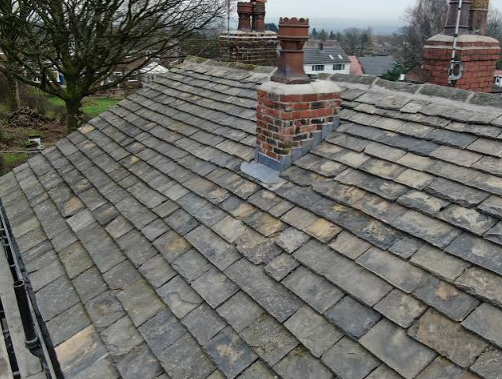
A roof is one of the most important components of any home, providing protection from the elements and contributing to the overall structural integrity of the building. Homeowners often wonder how long their roof will last, as this can impact maintenance schedules, budgeting for repairs, and planning for eventual replacement. The lifespan of a roof depends on several factors, including the type of materials used, the quality of installation, the local climate, and how well the roof is maintained over time. Understanding these factors can help homeowners make informed decisions about their roofing needs and ensure their home remains safe and secure for years to come.
What to Expect from Your Roof
Factors That Influence Roof Longevity
The lifespan of a roof is influenced by a variety of factors, each playing a significant role in determining how long a roof will remain functional and effective. One of the primary considerations is the type of roofing material used. Asphalt shingles, for example, are among the most common roofing materials and typically last between 15 and 30 years, depending on their quality and the conditions they are exposed to. Metal roofs, on the other hand, can last 40 to 70 years, while clay or concrete tiles may endure for even longer. The quality of installation is another crucial factor; a roof that is installed with attention to detail and proper techniques will generally outlast one that is hastily or poorly installed. Additionally, the local climate plays a significant role, as roofs in areas with extreme weather conditions, such as heavy rainfall, snow, or high winds, may experience more wear and tear over time. Regular maintenance, including cleaning gutters, inspecting for damage, and addressing minor issues promptly, can also extend the life of a roof significantly. By understanding these factors, homeowners can better anticipate the longevity of their roof and take proactive steps to maximize its lifespan.
See also: How a Personalized Game Feed Changes the Way You Discover What to Play Next
Common Roofing Materials and Their Lifespans
Different roofing materials offer varying lifespans, and choosing the right one for your home can have a lasting impact on both durability and appearance. Asphalt shingles are widely used due to their affordability and ease of installation, but they generally have a shorter lifespan compared to other materials, often requiring replacement after 20 to 30 years. Wood shingles and shakes provide a natural look and can last around 25 to 40 years if properly maintained, though they are more susceptible to fire and moisture damage. Metal roofing is gaining popularity for its longevity and resistance to harsh weather, with some metal roofs lasting up to 70 years or more. Clay and concrete tiles are known for their durability and can often last 50 years or longer, making them a preferred choice in regions with hot climates. Slate roofing is among the most durable options, with some slate roofs lasting over a century when properly cared for. Homeowners seeking guidance on material selection and installation quality may consider consulting a Roofing Company Norcross to ensure their investment is protected and their roof is built to last.
Signs Your Roof May Need Replacement
Recognizing the signs that your roof may need replacement is essential for preventing costly damage to your home’s interior and structure. One of the most obvious indicators is the age of the roof; if your roof is approaching or has surpassed its expected lifespan based on the material, it may be time to consider a replacement. Other warning signs include missing, cracked, or curling shingles, which can allow water to penetrate the underlying structure and cause leaks. Dark streaks or stains on the roof surface may indicate algae or moss growth, which can compromise the integrity of the roofing material over time. Sagging areas or visible dips in the roofline are often signs of structural issues that require immediate attention. Water stains on ceilings or walls inside the home can also signal that the roof is no longer providing adequate protection. Regular inspections, especially after severe weather events, can help identify these issues early and prevent more extensive damage. Addressing these signs promptly can extend the life of your roof and protect your home from further harm.
The Importance of Regular Roof Maintenance
Routine maintenance is a key factor in extending the lifespan of any roof, regardless of the material used. Regular inspections, ideally conducted twice a year and after major storms, can help identify minor issues before they become major problems. Cleaning gutters and downspouts ensures that water flows away from the roof and does not pool, which can lead to leaks and water damage. Removing debris such as leaves, branches, and moss from the roof surface prevents moisture retention and reduces the risk of rot or mold growth. Promptly repairing damaged or missing shingles, flashing, or sealant can prevent water infiltration and structural damage. Homeowners should also check for signs of animal activity, as birds, squirrels, and other pests can cause damage to roofing materials. By investing time and effort into regular maintenance, homeowners can maximize the lifespan of their roof and avoid the expense and inconvenience of premature replacement.
How Climate Affects Roof Lifespan
Climate plays a significant role in determining how long a roof will last. Homes located in regions with frequent heavy rainfall, snow, or ice are more likely to experience issues such as water damage, ice dams, and accelerated wear on roofing materials. High temperatures and intense sunlight can cause roofing materials to deteriorate more quickly, especially in areas with prolonged exposure to UV rays. Windy conditions can lift or dislodge shingles, while hail can cause dents or cracks in roofing materials. Coastal areas with high humidity and salt exposure may also see faster degradation of certain roofing types. Homeowners in these environments should be particularly vigilant about regular inspections and maintenance, as well as choosing materials that are well-suited to their local climate. Taking these factors into account can help ensure that a roof provides reliable protection for as long as possible.
When to Schedule a Professional Roof Inspection
Scheduling a professional roof inspection is a smart move for homeowners who want to ensure their roof remains in good condition. A professional inspection can identify issues that may not be visible from the ground or to the untrained eye, such as hidden leaks, damaged flashing, or underlying structural problems. Inspections are especially important after severe weather events, when damage may not be immediately apparent but could worsen over time if left unaddressed. Many roofing professionals recommend having a roof inspected at least once every two to three years, or more frequently if the roof is older or has experienced significant weather events. A thorough inspection can provide peace of mind and help homeowners plan for necessary repairs or replacement before problems escalate. By staying proactive with inspections, homeowners can protect their investment and extend the life of their roof.
Roof Replacement: What to Expect
When the time comes to replace a roof, homeowners can expect a process that involves several important steps. The first stage typically involves a thorough assessment of the existing roof to determine the extent of damage and the best course of action. Once a decision is made to proceed with replacement, the old roofing materials are removed, and the underlying structure is inspected for any signs of rot or damage that need to be addressed before new materials are installed. The installation process itself can vary in duration depending on the size and complexity of the roof, as well as the type of materials chosen. Homeowners should also consider factors such as ventilation, insulation, and the potential for upgrading to more durable or energy-efficient materials. Working with a reputable roofing contractor can help ensure the replacement process goes smoothly and that the new roof provides long-lasting protection for the home.
Conclusion
Understanding how long a roof lasts is essential for homeowners who want to protect their property and plan for future maintenance or replacement. The lifespan of a roof depends on several factors, including the type of material, quality of installation, local climate, and the level of ongoing maintenance. By staying informed about the signs of roof aging and damage, scheduling regular inspections, and addressing issues promptly, homeowners can extend the life of their roof and avoid unexpected expenses. Investing in quality materials and professional installation can also make a significant difference in how long a roof will last. Ultimately, proactive care and attention to detail are key to ensuring a roof remains a reliable shield for your home for many years.
