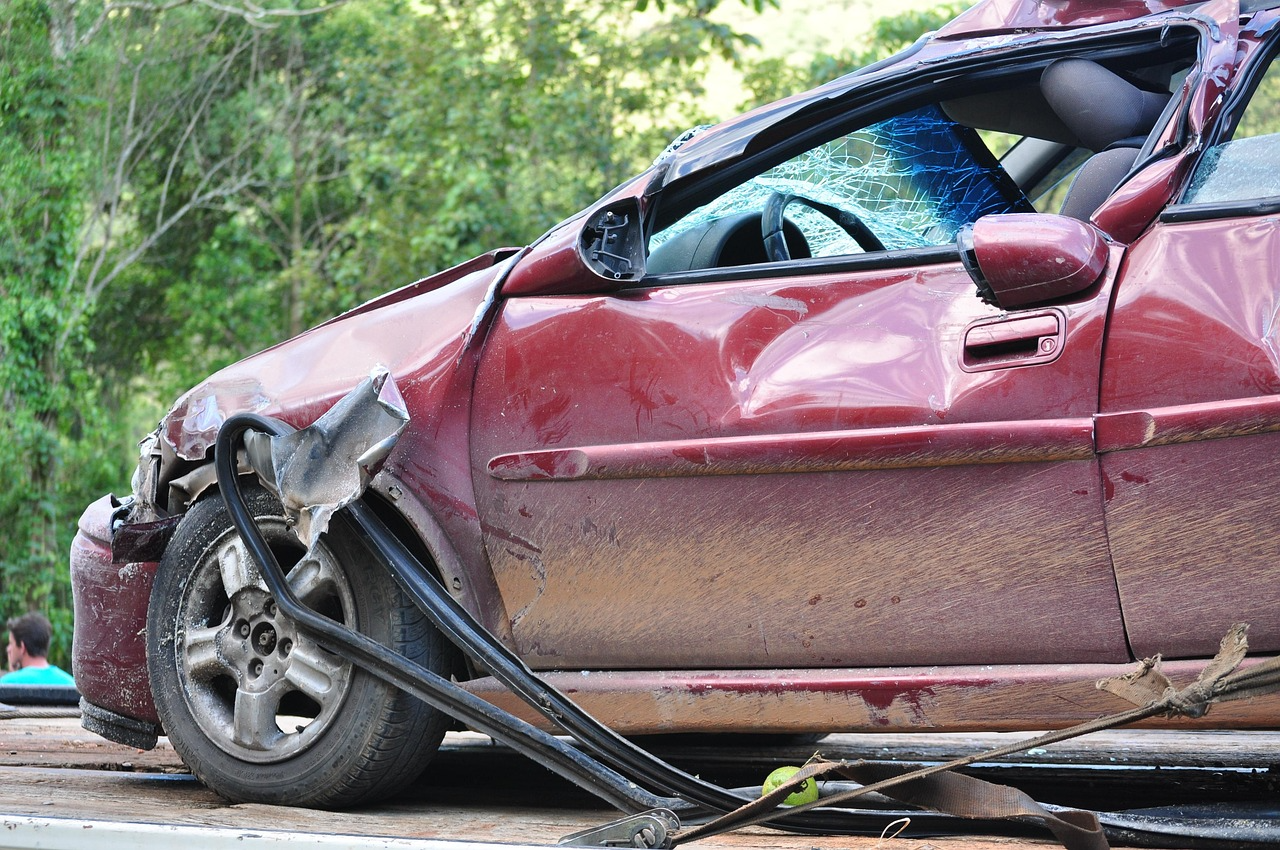
Headache after a car accident. It could sneak up on you the following morning or maybe you start to feel it before you leave the accident scene.
Stress, neck strain, or did you hit your head? The location of your headache can help you pinpoint the area of pain, but it’s not a definite answer to why your head hurts.
What you’ll learn:
- When a Headache Needs Emergency Attention
- What to Do in the First Few Days
- Common Causes of Post-Accident Headaches
- What a Medical Assessment Can Tell You
- How Long Headaches Can Last
- Getting Back to Everyday Life and Work
When a Headache Needs Emergency Attention
If you experience these signs along with your headache, it may be an indication of a more serious injury. Call 911 or go to an emergency department if you have any of the warning signs below. A headache that gets worse and does not go away also needs emergency care.
- Vomiting multiple times or seizures
- Loss of strength, feeling of numbness, or inability to walk
- Slurred speech, disorientation, or acting out of character
- Double vision, dilated pupils, or pupils that are unequal
- Passing out, being excessively drowsy, or difficulty waking up
You should also seek immediate medical attention if you have a headache that hits you suddenly and feels very intense. Neck pain that is very intense and accompanied by weakness, tingling, or other nerve symptoms can be dangerous as well.
Do not drive yourself to the hospital if you are experiencing dizziness, disorientation, or having trouble focusing on things. If you are on blood thinner medication, see a doctor immediately if you suspect you may have injured your head. Even if it’s a minor injury, you should consult with a physician right away.
None of those apply to you? There is still a chance you could have suffered from a concussion or neck strain after a car accident. You should see your doctor as soon as possible if you have developed a headache after being in an accident. Especially if you hit your head during the collision or you feel unusually groggy.
See also: Advanced Component Repair Services: Extending the Life and Performance of Critical Turbine Equipment
What to Do in the First Few Days
Try to document any changes you notice in your body after the car accident. If you experience a headache a few hours after being in an accident, notify your doctor. Let them know what time your headache started, if you hit your head, and what other symptoms you may have developed since the accident.
Document your headaches, amount of sleep, dizziness, and activities you cannot complete each day. This can be helpful when visiting your doctor to follow up on your injuries and can help show that your headaches are preventing you from working.
Learn more about lost wages after a car accident in Houston, by visiting pstriallaw.com/practice-areas/houston-car-accident-lawyers. If you have sustained an injury from a car accident, you may be able to receive compensation for your lost wages and cost of treatment. Compensation is dependent on the circumstances of your case and laws in the state of Texas.
Document any restrictions your doctor gives you to work and keep track of your missed days. It’s better to have this documented now rather than try to remember in the future.
Do not hold off on visiting your doctor because of questions regarding your car accident claim.
Common Causes of Post-Accident Headaches
Your head and neck can be injured in many ways during a car accident. You may even suffer from more than one of these causes, which is why you should not try to diagnose yourself at home.
Concussion
Concussions can occur when you hit your head against the window, head rest, or another object. You can also suffer from a concussion if you don’t hit your head, but are struck with a strong force that shakes your brain inside your skull.
You may experience nausea, dizziness, light sensitivity, mental fogginess, or have trouble concentrating. You don’t have to be knocked unconscious to suffer from a concussion. Some symptoms may appear immediately while others take time to develop.
Whiplash and Neck Strain
During a car accident, your neck can be thrown forward and backward, which may strain muscles and other soft tissues. This can leave you feeling sore and stiff, with pain traveling to the back of your head.
Symptoms of whiplash can take several hours to appear. If you feel more pain when turning your head, this could be a sign that your neck is the cause of your headache, but again, there are many reasons for a headache after being in an accident.
Migraine-Like or Tension-Type Pain
Some headaches can feel like a pulsating pain, with nausea, or light sensitivity. Other headaches may just be a dull ache, located somewhere on your head.
While this can be an indication that you are suffering from migraines, it could also just be tension from hitting your head or from your neck. Your doctor will be able to help determine the cause of your headache.
What a Medical Assessment Can Tell You
Your doctor will want to know about your accident, when your headache started, and if you have noticed any changes in your vision, ability to balance, remember things, or amount of sleep you are getting. Inform your doctor of any past migraines and any medications you may be taking, including blood thinners.
They may examine your neck, eyes, ability to balance, and other functions of your nervous system. Based on their exam, they may order additional tests or provide you with treatment options.
Do you need an MRI or CT Scan? Many concussions do not require imaging of your brain. A CT scan may be needed if your symptoms or risk factors suggest bleeding or another serious injury. Most concussions do not require routine CT or MRI scans.
Make sure you know what to do if your symptoms worsen and when it is okay to resume your daily activities. Ask for written information that you can reference later, especially if you are feeling drowsy or have trouble focusing.
How Long Headaches Can Last
It is possible that your headache will clear up within a few days. However, you may still have headaches once your neck starts to loosen up and your concussion symptoms begin to clear up. Everyone recovers differently, just because you had a good day does not mean that you are completely healed.
In a recent study published in 2026, researchers looked at 478 patients that suffered from a mild traumatic brain injury. At six months, 22.6% of patients had persistent post-traumatic headache. These were patients with mild traumatic brain injuries, not all car accidents.
If you continue to have headaches that worsen, or prevent you from completing your daily tasks, contact your doctor. If your headaches do not go away after a certain time frame, seek medical attention.
Contact your doctor if you are still experiencing concussion symptoms after 2-3 weeks. Your doctor may evaluate your neck, sleep, vision, and migraines to see what’s causing your headache to persist.
Getting Back to Everyday Life and Work
You should rest for the first couple days after a concussion, but spending the majority of your time in bed is not recommended. Once your doctor clears you, you can gradually start to do light activities and increase your normal routine.
Working can be difficult if you suffer from headaches after a car accident. You may not be able to sit under bright lights, focus on your computer for extended periods, or drive if you feel dizzy.
Talk to your employer about reducing your hours, taking more breaks, or avoiding certain tasks that trigger your headaches. If you drive for a living, or have to operate machinery, your doctor may need to clear you before you return to work.
At home, try to maintain a consistent sleep schedule, eat, and stay hydrated. Talk to your doctor or pharmacist about what pain medication you can take, especially if you have any other health conditions. Using certain headache medicines too often can also lead to medication-overuse headaches.
If you find that you cannot perform a task, reduce what you are doing and let your doctor know. Build up what you can comfortably do and work from there.
Wrapping It Up
If you’ve experienced a headache after a car accident, it’s best to seek medical attention. Whether it’s caused by a strained neck or a concussion, there are many reasons for you to have a headache.
Know the warning signs to look out for, and visit your doctor if you experience any headaches after being in an accident.
