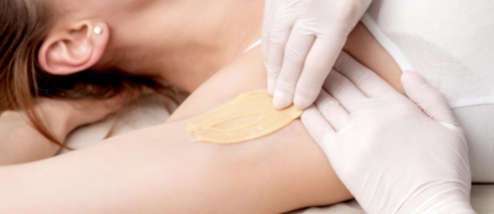
Wax texture can change the whole pace of a salon service. The right wax warmer https://www.buyitalwax.com/wax-warmers/ keeps hard wax, soft wax, or both at a stable working temperature, so the specialist can apply the product smoothly and remove hair with fewer corrections. For a busy beauty room, this is not just equipment in the corner, but part of timing, comfort, and product control.
The heater has to match the wax type first. Hard wax needs steady heat for a dense, elastic texture. Soft wax needs a thinner consistency for strip removal. If one device cannot support the product properly, even a high-quality wax may feel difficult during application.
Hard Wax Needs Stable Heat and Enough Depth
Hard wax is used for delicate and detailed zones where control matters. It needs to melt evenly, hold warmth during the appointment, and stay elastic without becoming too liquid. A heater with weak temperature control can create problems: the wax may thicken too fast, break during removal, or feel too hot for sensitive skin.
For hard wax, depth matters. A pot that is too shallow can make spatula work less comfortable, especially during long services. A medium or large heater is better for salons with regular bikini, underarm, face, and full-body bookings. The specialist needs enough melted wax ready without stopping the appointment to wait for more product.
A lid is also useful in a professional room. It helps protect the product between appointments and keeps the workstation cleaner. The inner container should be easy to remove, because hard wax can leave residue around the edges after repeated use.
Soft Wax Needs Thin Texture and Fast Access
Soft wax is often used for larger areas, such as legs, arms, back, and chest. It works with strips, so the texture must stay fluid enough for a thin layer. If the product is too thick, the specialist may apply more wax than needed. If it is too runny, the layer can become messy and harder to control.
A wax heater for soft wax should keep the temperature even across the can. Uneven heating affects application, especially during fast services. The top layer may look ready while the lower part remains too dense, which slows the process.
For salons that use both can wax and cartridge wax, separate heaters are often more practical. A pot heater gives control for soft wax in a can, while a cartridge heater supports roll-on services. This setup helps organize large-area depilation without mixing tools and product types.
See also: Reasons Investment Data Room Pricing Differs across Businesses
Matching the Heater to Daily Salon Load
A salon with a few focused appointments has different needs from a room with back-to-back waxing services. Before buying, connect the heater choice with the real work schedule, not only with the product name. The main points are practical:
- service volume during a normal working day;
- number of wax types used by one specialist;
- zones treated most often in the salon;
- need for one pot, two pots, or cartridge heating;
- can size and cartridge compatibility;
- speed of melting before the first client;
- temperature stability during longer appointments;
- cleaning time between services.
ItalWax offers professional wax warmers and waxing products designed for different salon services. The choice becomes easier when the heater, wax type, and appointment flow are matched from the start. Hard wax needs stable heat and comfortable spatula work. Soft wax needs a fluid texture for thin application. Cartridge wax needs a dedicated unit for speed and clean coverage.
