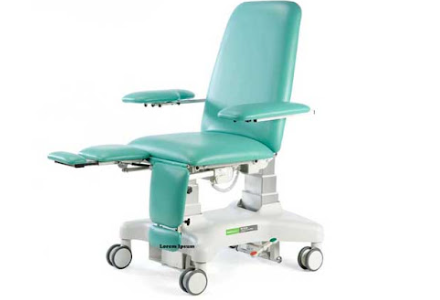
Podiatry is a precision discipline that requires precise positioning, stable access to the foot, and a comfortable environment for extended treatment sessions. At the center of any high-functioning podiatry clinic, Podiatry Chairs provide the structural support that enables both quality care and therapist efficiency. Without the right chair, both treatment quality and patient experience suffer.
The Functional Demands of Podiatry Seating
Foot Access and Treatment Positioning
Effective podiatry work requires the clinician to access the plantar surface, heel, and toenails from multiple angles over sessions that can last 30 to 90 minutes. A standard examination table simply does not provide the foot elevation, stability, or positioning range that professional foot care demands.
Specialized podiatry chairs raise and angle the patient’s feet at the ideal working height, reducing the clinician’s need to stoop or crouch and preventing the fatigue and strain that accompany poor posture over a full clinic day.
- Elevated foot platform enables precise access
- Multiple angle positions for different procedures
- Padded leg supports for patient comfort
- Stable frame prevents shifting during work
Key Features to Look for in Podiatry Seating
Fully Adjustable Leg Rests
Leg rests that extend, elevate, and tilt independently are the most important functional feature of a podiatry chair. They must support the full weight of the leg through the entire treatment, and they must be adjustable without disturbing the patient or interrupting the procedure. Electric leg rests that respond to a foot pedal are the gold standard for professional clinics.
Integrated Tool Trays and Storage
Modern chairs often incorporate side-mounted instrument trays or drawers that keep sterilized tools within reach without requiring the clinician to leave the patient’s side. This is a workflow efficiency feature that also reduces cross-contamination risk by keeping instruments off shared surfaces.
Patient Comfort During Long Procedures
Many podiatry patients are elderly or have conditions that make prolonged sitting uncomfortable. A well-designed chair accommodates these patients with wide seating, padded armrests, lumbar support, and a backrest that reclines to allow partial lying down during longer treatments. Patients who are comfortable remain still, which directly supports treatment accuracy.
Frequently Asked Questions
What is the weight capacity of professional podiatry chairs?
Most professional chairs are rated for 300 to 500 pounds. Bariatric-specific models can accommodate 600 pounds or more for clinics serving diverse patient populations.
Are electric podiatry chairs worth the extra cost?
For high-volume clinics, yes. The ability to adjust positions smoothly without interrupting treatment significantly improves workflow and reduces clinician strain.
How do I maintain the upholstery on a podiatry chair?
Clean with a clinical-grade disinfectant after each patient, avoiding abrasive cleaners that damage vinyl. Inspect seams monthly and repair small tears immediately to prevent bacterial accumulation.
Conclusion
Podiatry chairs are the most specialized piece of equipment in a foot care clinic, and they deserve serious consideration. The right chair supports treatment precision, protects clinician health, and makes every patient’s visit more comfortable — all of which contribute directly to the quality of care your clinic delivers. When you choose the right Podiatry Chairs for your business, you are investing in every client experience that follows.
