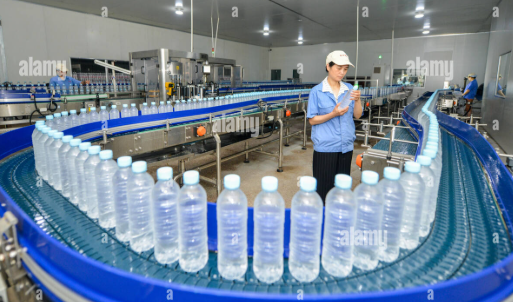
Understanding water filling machine cost is fundamental to accurate business planning in the beverage production industry. Whether you are a first-time investor entering the bottled water market or an established producer looking to upgrade your filling line, having a clear picture of what drives costs and what you should expect to pay helps you make well-informed investment decisions and avoid costly surprises.
What Drives Water Filling Machine Costs?
Filling machine prices vary across an enormous range — from a few thousand dollars for simple, low-volume machines to hundreds of thousands of dollars for high-speed, fully automated production lines. Understanding the key cost drivers helps you match your budget to the right level of equipment for your production goals.
Machine Speed and Filling Capacity
Speed is the single largest cost driver in filling machine pricing. A machine rated at 1,000 bottles per hour costs a fraction of what a 20,000 bottles-per-hour machine costs. Each doubling of speed requires proportionally more complex engineering, larger structural frames, more filling valves, and higher-capacity conveyors and drives.
Type of Filling Technology
Gravity filling machines are the simplest and least expensive. Pressure filling machines handle carbonated beverages and cost more. Vacuum filling systems and flowmeter-based electronic filling systems offer greater accuracy and are priced accordingly. Match the filling technology to your specific product and quality requirements rather than over-specifying.
Price Ranges by Machine Category
Entry-level gravity filling machines for still water in PET bottles start from approximately $5,000 to $15,000 USD for small, semi-automatic models. Mid-range fully automatic systems for 2,000 to 6,000 bottles per hour typically range from $30,000 to $100,000 USD. High-speed industrial monobloc systems combining rinsing, filling, and capping at 20,000 to 50,000 bottles per hour range from $200,000 to $500,000 USD or more.
Semi-Automatic vs. Fully Automatic Systems
Semi-automatic filling machines require an operator to position bottles manually, significantly reducing their output speed. These machines are appropriate for very small operations or niche products where production volumes do not justify full automation. Full automation eliminates manual bottle handling, increases speed, and improves hygiene.
Monoblock Systems: Higher Cost, Greater Efficiency
Monoblock systems integrate rinsing, filling, and capping into a single compact machine, eliminating the conveyor sections between separate machines. While more expensive initially, monoblocks have a smaller footprint, simpler installation, and typically better overall hygiene due to the enclosed, integrated process.
Hidden Costs Beyond the Machine Purchase Price
The purchase price is just the beginning of the total investment. Installation, commissioning, operator training, spare parts inventory, utility upgrades to your facility, and ongoing maintenance all contribute to real project costs. Experienced buyers budget an additional 20 to 40 percent on top of the machine price for these ancillary costs.
Commissioning and Operator Training Costs
Many suppliers charge separately for on-site commissioning and training services. These costs vary depending on the machine complexity, distance from the supplier’s base, and duration of the commissioning process. Confirm all these costs upfront and include them in your capital budgeting.
Annual Maintenance and Spare Parts Costs
Plan for annual maintenance costs of 2 to 5 percent of the machine purchase price for preventive maintenance parts and service. Keep a buffer for unplanned repairs, especially in the first year of operation when component wear patterns are still being established.
How to Get the Best Value for Your Budget
Getting the best value from your water filling machine cost starts with clearly defining your production requirements. Over-specifying wastes capital; under-specifying creates bottlenecks. Request quotations from at least three qualified suppliers for machines meeting your specifications, and evaluate the full package: machine quality, warranty, training, and after-sales support rather than price alone.
Frequently Asked Questions
Q: Are Chinese filling machines as good as European machines?
A: Quality varies enormously among Chinese manufacturers. The best Chinese suppliers deliver excellent machines at competitive prices. Due diligence, factory visits, and reference checks are essential regardless of origin.
Q: Can I lease a water filling machine instead of buying?
A: Equipment leasing is available from some suppliers and finance companies. Leasing reduces upfront capital requirements but increases total cost over time. Compare lease versus purchase economics carefully for your situation.
Q: What is the expected lifespan of a water filling machine?
A: High-quality machines from reputable manufacturers typically last 15 to 25 years with proper maintenance. Lower-quality machines may require major refurbishment or replacement within 5 to 10 years.
Conclusion
Planning your water filling machine cost budget requires looking beyond the purchase price to understand total ownership costs over the machine’s operational life. The best investment is one that delivers water filling machine cost reliable production at the required speed and quality, with strong support from the manufacturer. Take a total cost of ownership perspective rather than a lowest-price approach for the best long-term results.
